Desert Animals
What animals live in deserts?
Desert animals include small foxes and cats, large plant-eaters, reptiles, birds and invertebrates. Some spend much of their lives in dry habitats. Others move between dry areas and nearby grassland or scrub. Browse the photographs for examples from different parts of the world, including the fennec fox of North Africa and the Bactrian camel associated with Central Asia. The individual profiles show how much of each animal’s life is tied to dry places.
Browse 64 animalsFinding shade and moving after dark
Heat and scarce water shape the daily routines of many desert animals. A small mammal can spend the hottest part of the day in a burrow and come out to forage in cooler hours. A reptile can move between exposed rock and shade as it warms or cools. The fennec’s large ears are visible in a photo, and its fur-covered feet offer another clue to life on sand. A shelter or change of schedule can matter as much as a visible body feature.
Hot deserts and cold dry country
Low rainfall is the feature that connects deserts. Temperature, soils and vegetation can vary widely from one desert to another. Dromedaries are associated with hot dry parts of Africa and Asia. The two-humped Bactrian camel is suited to dry Central Asian landscapes with much colder winters. Both store fat in their humps. Compare their coats and silhouettes to see why the shared label “camel” still leaves plenty of room for differences.
Compare survival strategies
Pick an animal that forages at night and one that travels in open country during the day. Look at what it eats, where it can shelter and how far it might need to go to find food. The collection includes species with a desert habitat tag alongside animals with broader ranges. Use the related profiles to compare a sand cat with other cats or a fennec with other foxes. The contrasts make it easier to see which features are especially useful in dry country.
Desert Animals List
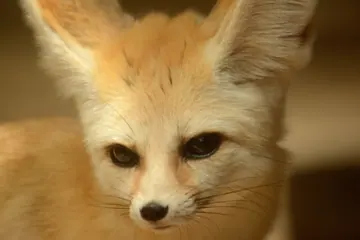
Fennec fox
Vulpes zerda
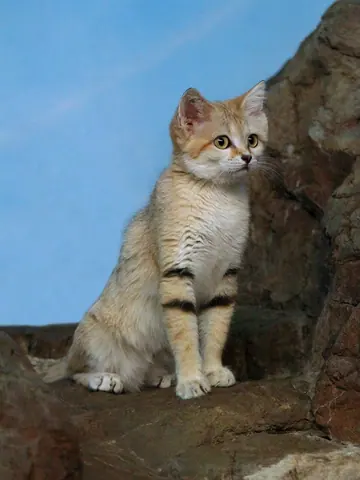
Sand cat
Felis margarita
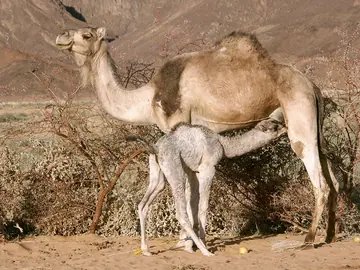
Dromedary
Camelus dromedarius
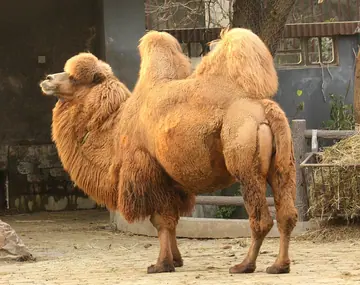
Bactrian camel
Camelus bactrianus

Common ostrich
Struthio camelus
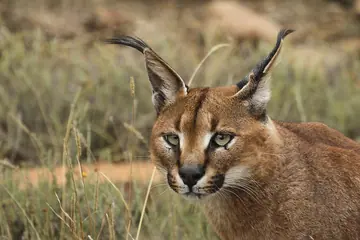
Caracal
Caracal caracal
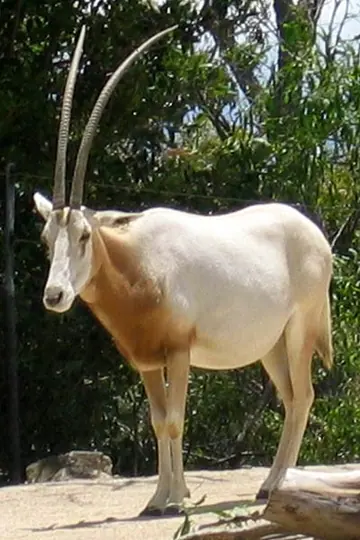
Scimitar oryx
Oryx dammah
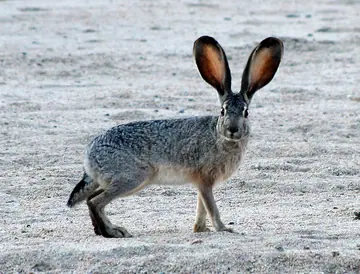
Black-tailed jackrabbit
Lepus californicus
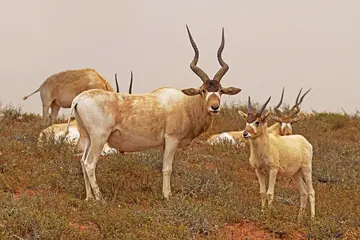
Addax
Addax nasomaculatus
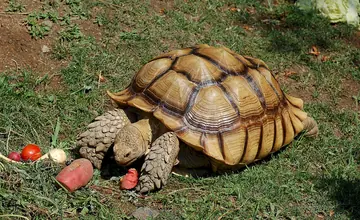
African spurred tortoise
Centrochelys sulcata
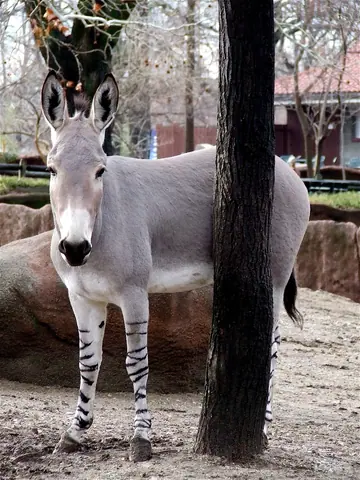
African wild ass
Equus africanus
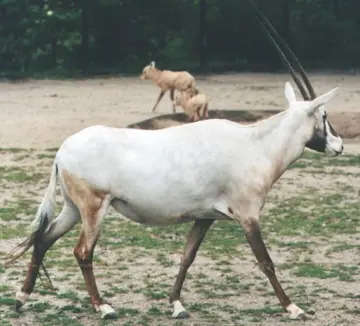
Arabian oryx
Oryx leucoryx
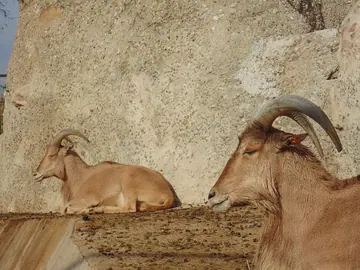
Barbary sheep
Ammotragus lervia
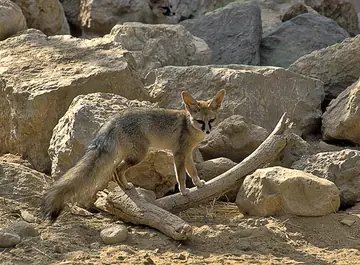
Blanford's fox
Vulpes cana
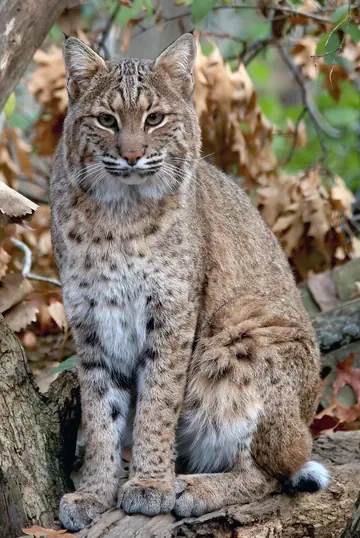
Bobcat
Lynx rufus
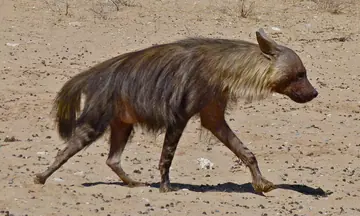
Brown hyena
Parahyaena brunnea
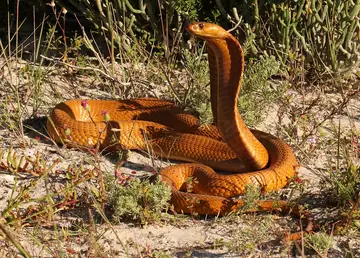
Cape cobra
Naja nivea
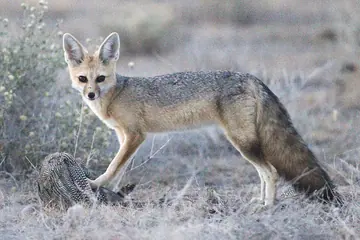
Cape fox
Vulpes chama
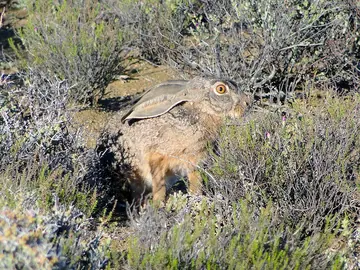
Cape hare
Lepus capensis
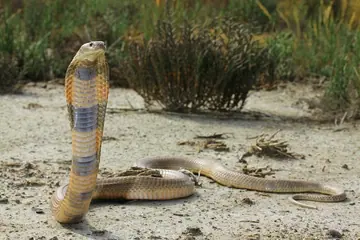
Caspian cobra
Naja oxiana
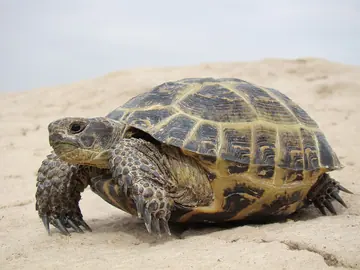
Central Asian tortoise
Testudo horsfieldii
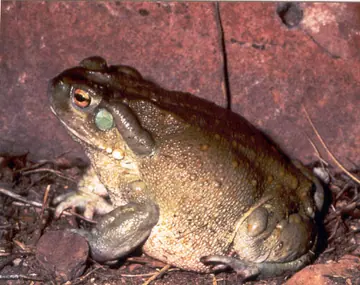
Colorado River toad
Incilius alvarius
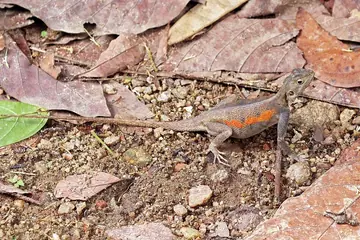
Common Agama
Agama agama
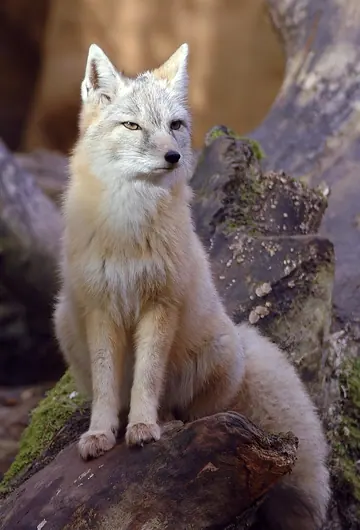
Corsac fox
Vulpes corsac
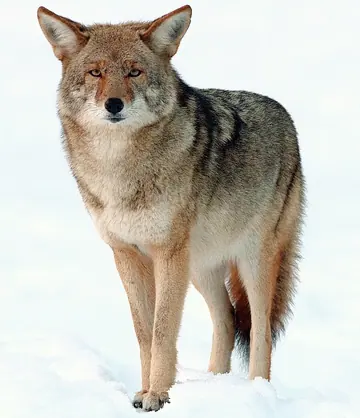
Coyote
Canis latrans
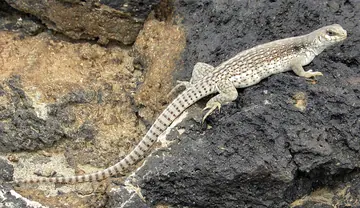
Desert iguana
Dipsosaurus dorsalis
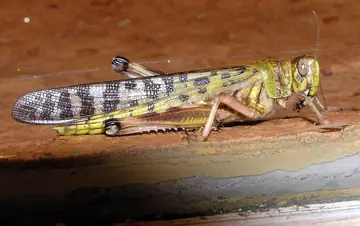
Desert locust
Schistocerca gregaria
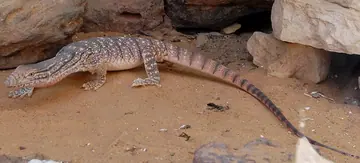
Desert monitor
Varanus griseus
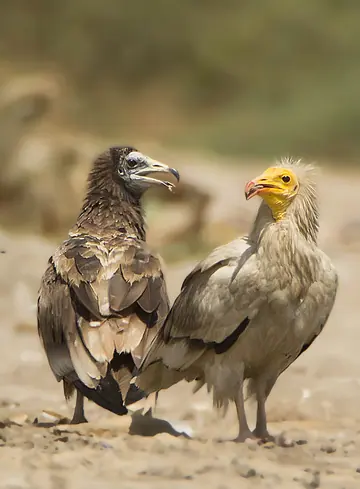
Egyptian vulture
Neophron percnopterus
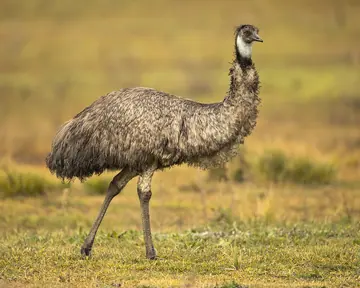
Emu
Dromaius novaehollandiae
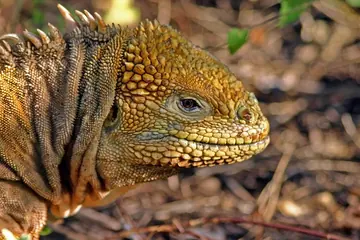
Galápagos land iguana
Conolophus subcristatus
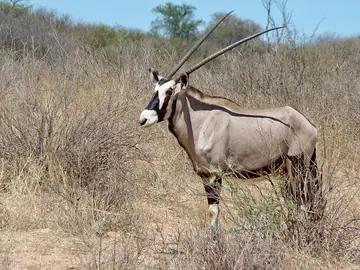
Gemsbok
Oryx gazella
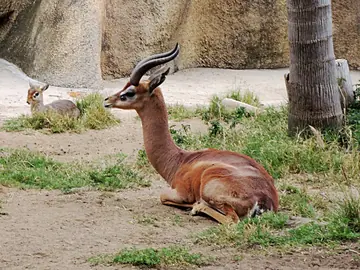
Gerenuk
Litocranius walleri

Gila monster
Heloderma suspectum
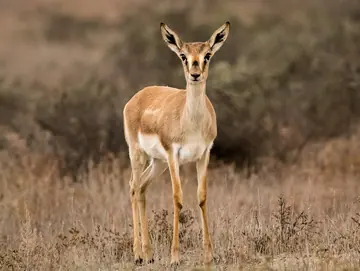
Goitered gazelle
Gazella subgutturosa
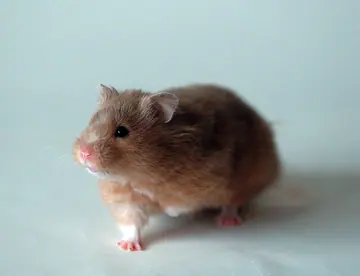
Golden hamster
Mesocricetus auratus
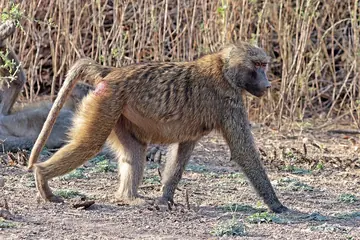
Hamadryas baboon
Papio hamadryas
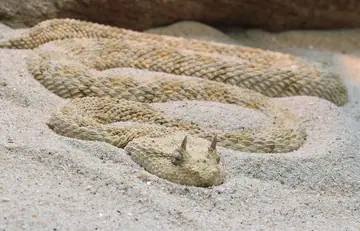
Horned Desert Viper
Cerastes cerastes
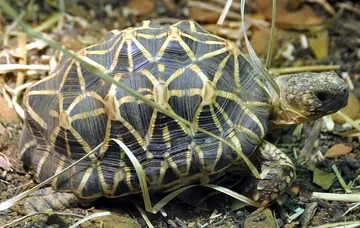
Indian star tortoise
Geochelone elegans
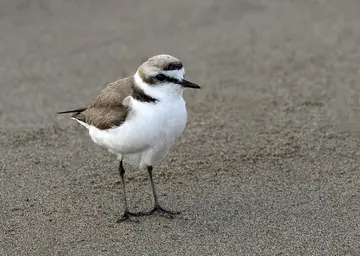
Kentish plover
Charadrius alexandrinus
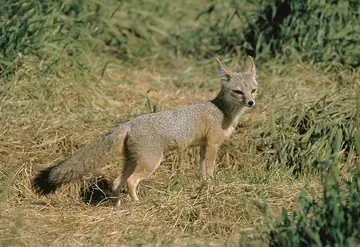
Kit fox
Vulpes macrotis
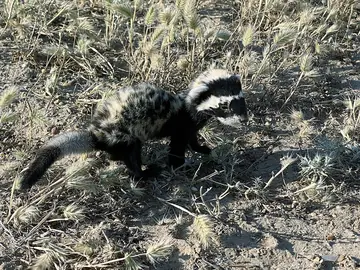
Marbled polecat
Vormela peregusna
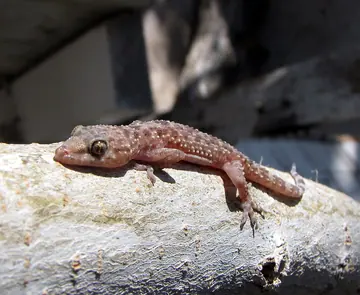
Mediterranean house gecko
Hemidactylus turcicus
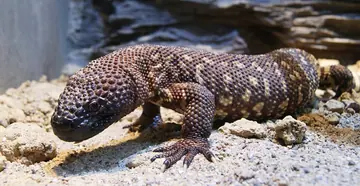
Mexican beaded lizard
Heloderma horridum
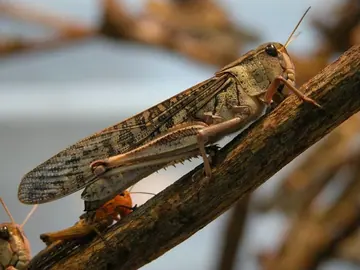
Migratory locust
Locusta migratoria
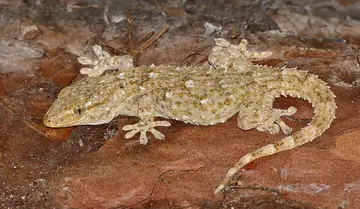
Moorish Gecko
Tarentola mauritanica
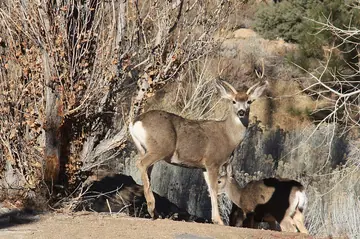
Mule deer
Odocoileus hemionus
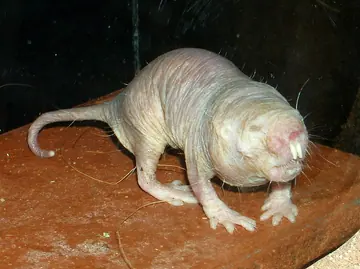
Naked mole-rat
Heterocephalus glaber
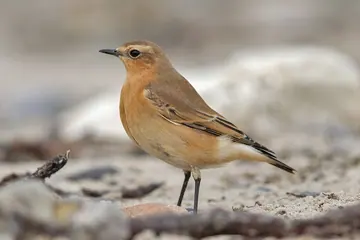
Northern wheatear
Oenanthe oenanthe
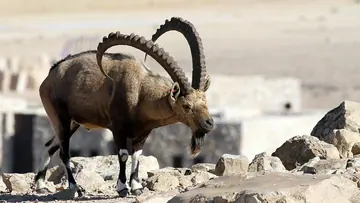
Nubian ibex
Capra nubiana
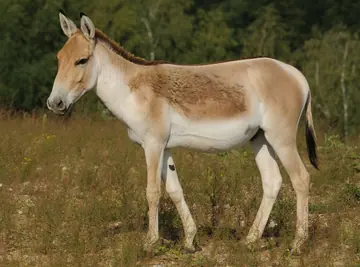
Onager
Equus hemionus
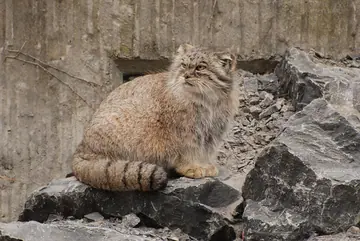
Pallas's cat
Otocolobus manul
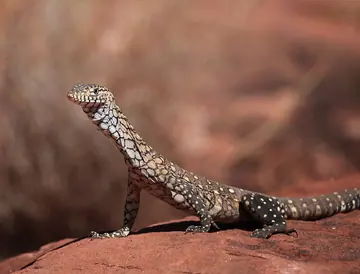
Perentie
Varanus giganteus
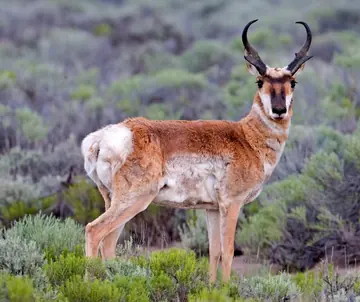
Pronghorn
Antilocapra americana
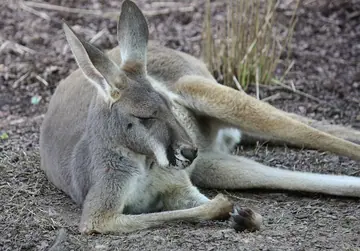
Red kangaroo
Macropus rufus
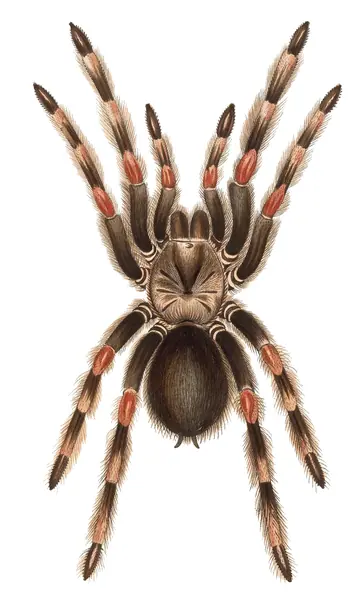
Red-Kneed Tarantula
Brachypelma smithi
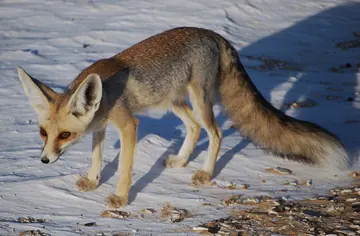
Rüppell's fox
Vulpes rueppellii
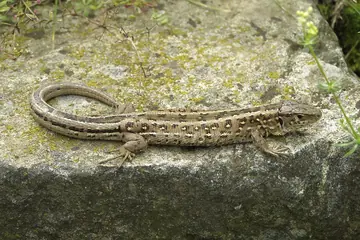
Sand lizard
Lacerta agilis
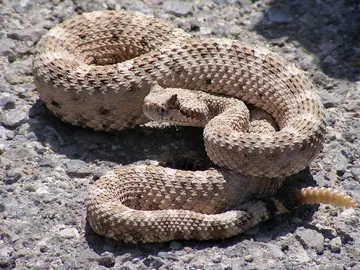
Sidewinder
Crotalus cerastes
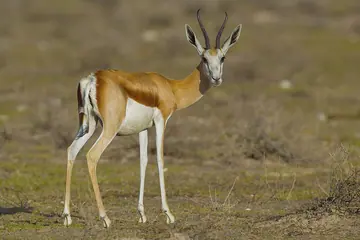
Springbok
Antidorcas marsupialis
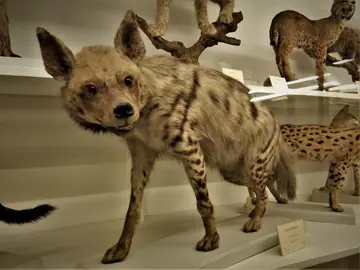
Striped hyena
Hyaena hyaena
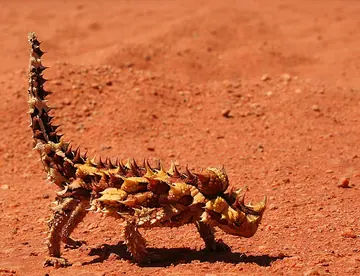
Thorny devil
Moloch horridus
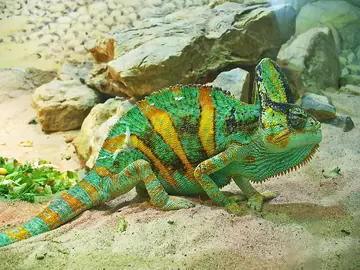
Veiled chameleon
Chamaeleo calyptratus
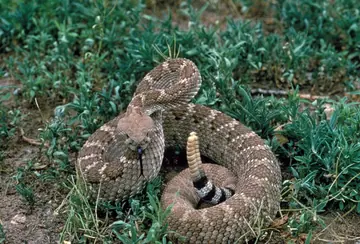
Western diamondback rattlesnake
Crotalus atrox